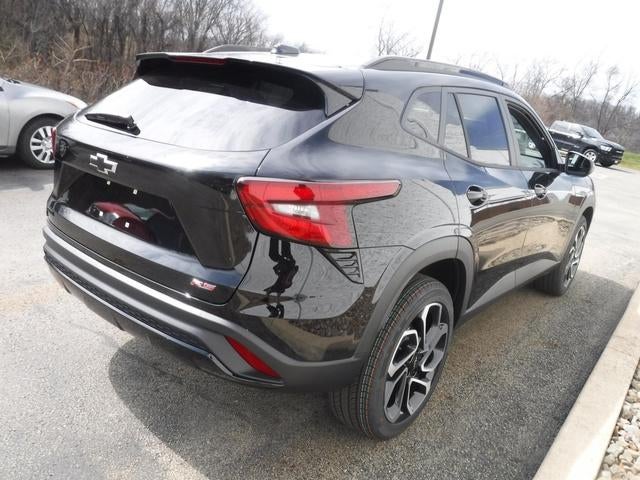





The topic of chevy trax reliability often comes up when drivers search for a dependable subcompact SUV that is affordable and practical for daily use. The Chevrolet Trax has gained attention in the Subcompact SUV segment because it combines compact size, modern technology, and efficient performance. Buyers who want a small SUV that is easy to drive in the city yet capable on highways frequently consider this model. Many drivers in the United States look for vehicles that balance cost, comfort, and long term dependability. The Trax attempts to deliver exactly that. If you are currently exploring New Chevrolet vehicles, the Trax often stands out as an entry point into the Chevrolet SUV lineup. Understanding how reliable it is, what ownership costs look like, and how it performs over time can help determine whether it is the right choice for your needs. Overview of the Chevy Trax and Its Key Features The Chevrolet Trax belongs to the compact crossover platform category designed for urban drivers who want SUV versatility without the bulk of a large vehicle. It fits into the growing subcompact SUV segment where practicality and efficiency are key factors, offering a more agile and city-friendly alternative compared to a typical midsize SUV. Some of the core characteristics of the Trax include: Turbocharged engine technology designed to improve power and efficiency Compact size that makes city driving and parking easier Modern infotainment features and connectivity Available driver assistance systems for improved safety Comfortable seating for passengers and flexible cargo space The vehicle is designed to meet current fuel economy standards while remaining practical for commuting, errands, and weekend travel. Because of its manageable size and modern technology, the Trax appeals to first time buyers, young professionals, and families looking for an affordable crossover ownership experience. While the Trax is a top contender for city dwellers, those needing more power or space often look toward the Equinox or Tahoe to see which model qualifies as the most reliable Chevy SUV for their specific towing or family needs. Drivers who prefer SUVs in the Chevrolet lineup can also explore different Chevy Suvs to compare size, performance, and features before deciding which model fits their lifestyle. Chevy Trax Reliability and Long-Term Performance One of the most common questions buyers ask is about chevy trax reliability and whether the vehicle performs well over many years of ownership. Reliability is an important factor because it determines how dependable a vehicle will be for daily commuting, road trips, and long term ownership. The Trax has generally built a reputation for consistent reliability within the compact crossover durability category. Chevrolet designed the vehicle with a durable engine and straightforward mechanical components, which helps reduce unexpected repair issues. Several factors contribute to the reliability of the Trax: Proven turbocharged engine technology used across multiple Chevrolet models A simple drivetrain layout that reduces complex mechanical failures Regular improvements across newer model years Solid engineering within the compact crossover platform With proper maintenance and regular servicing, many owners report that the Trax can perform reliably for well over 150,000 miles. This makes it a reasonable option for buyers seeking long-term vehicle dependability. If you are looking at older models, following standard pre-owned Chevrolet tips such as verifying the service history and checking for turbocharger health can ensure you get the best value from your purchase. Like any vehicle, reliability also depends on driving habits and maintenance schedules. Routine service such as oil changes, brake inspections, and tire rotation plays a major role in preserving overall durability. Fuel Efficiency and Everyday Driving Experience Another key factor that influences purchasing decisions is fuel efficiency in small SUVs. Drivers want vehicles that offer good mileage without sacrificing performance. The Chevrolet Trax delivers competitive fuel economy for the subcompact SUV reliability category. The turbocharged engine helps maintain efficient fuel consumption while still providing enough power for daily driving. As interest grows in chevrolet electrified suvs, models like the Trax continue to appeal to drivers who want a balance of efficiency, performance, and practicality in their everyday vehicles. Typical fuel efficiency advantages include: Strong mileage for city commuting Competitive highway fuel economy Efficient turbocharged engine performance Reduced fuel costs for long term ownership Because of its lightweight structure and efficient engine design, the Trax provides a balanced driving experience. Drivers often describe it as smooth and comfortable for city driving while remaining stable on highways. Its compact size also makes it easier to maneuver in crowded urban areas, parking garages, and narrow streets. For many drivers, this makes the Trax a convenient vehicle for daily commuting and errands. Safety Ratings and Driver Assistance Features Safety is a major concern when evaluating chevy trax reliability. Buyers want a vehicle that protects passengers while offering modern driver assistance systems. The Trax includes several safety features designed to meet standards set by major automotive safety testing agencies. These organizations evaluate vehicles for crash protection, structural integrity, and driver support technologies. Common safety and driver assistance systems available in the Trax include: Forward collision alert Automatic emergency braking Lane departure warning Rear vision camera Stability and traction control These systems help drivers stay aware of potential hazards and assist in preventing accidents. Many modern SUVs include these technologies because they improve driver confidence and road safety. In addition to electronic safety features, the vehicle’s compact crossover platform is designed to absorb impact energy and protect passengers during collisions. Ownership Costs and Maintenance Expectations Another aspect of chevy trax reliability involves ownership costs and routine maintenance. Many buyers choose a subcompact SUV because it offers a balance between affordability and functionality. Compared with larger SUVs, the Trax typically has lower small SUV maintenance costs. Parts are widely available, and servicing requirements are generally straightforward. Typical ownership expenses include: Oil changes and basic fluid maintenance Brake pad replacement Tire rotation and replacement Routine inspections and minor repairs Insurance rates also tend to remain moderate because the Trax is classified as a smaller vehicle with reasonable repair costs. Overall, the Trax fits well within the affordable crossover ownership category. This makes it appealing for drivers who want an SUV experience without the higher maintenance costs associated with larger vehicles. Pros and Cons of the Chevy Trax Understanding both the advantages and limitations helps buyers make an informed decision about chevy trax reliability and overall ownership experience. Pros: Compact size that is easy to drive and park Competitive fuel efficiency in small SUVs Modern infotainment and technology features Reasonable ownership and maintenance costs Comfortable ride for city commuting Cons: Limited cargo space compared with larger SUVs Modest engine performance compared with some competitors Interior materials may feel basic in some trims For many drivers, the benefits of affordability and practicality outweigh the limitations. Is the Chevy Trax Worth Buying? When evaluating chevy trax reliability, it becomes clear that the Trax offers a practical solution for drivers looking for a dependable and affordable crossover. Its compact size, efficient engine, and modern safety technologies make it a strong contender within the Subcompact SUV segment. The vehicle may not deliver the highest performance in its category, but it provides the reliability and practicality that many drivers need for everyday use. Buyers who prioritize fuel economy, manageable maintenance costs, and modern safety features will likely find the Trax to be a sensible choice. If you are searching for a small SUV that balances affordability with long term dependability, the Trax deserves serious consideration. Drivers interested in exploring available models can browse current Chevrolet inventory and compare different options before making a final decision. For those seeking reliable transportation in the compact crossover durability category, the Trax remains a solid option within the Chevrolet lineup. Frequently Asked Questions 1. Is the chevy trax reliability good for daily driving? Yes, chevy trax reliability is generally considered suitable for daily driving. The vehicle is designed for commuting, errands, and regular travel, making it a dependable option for everyday use. 2. How long can a chevy trax typically last? With proper maintenance, a Chevrolet Trax can often last between 150,000 and 200,000 miles. Regular servicing and responsible driving habits can significantly extend the vehicle’s lifespan. 3. Is the chevy trax expensive to maintain? No, maintenance costs for the Trax are typically lower than many larger SUVs. Basic services such as oil changes, brake maintenance, and tire replacement are generally affordable. 4. Does the chevy trax have good fuel economy? Yes, the Trax provides competitive fuel efficiency in small SUVs thanks to its turbocharged engine and lightweight design, making it efficient for both city and highway driving. 5. What are the common problems related to chevy trax reliability? Some owners have reported occasional issues such as minor transmission hesitation, sensor warnings, or infotainment glitches. However, these problems are not widespread and can often be resolved with routine maintenance or software updates.