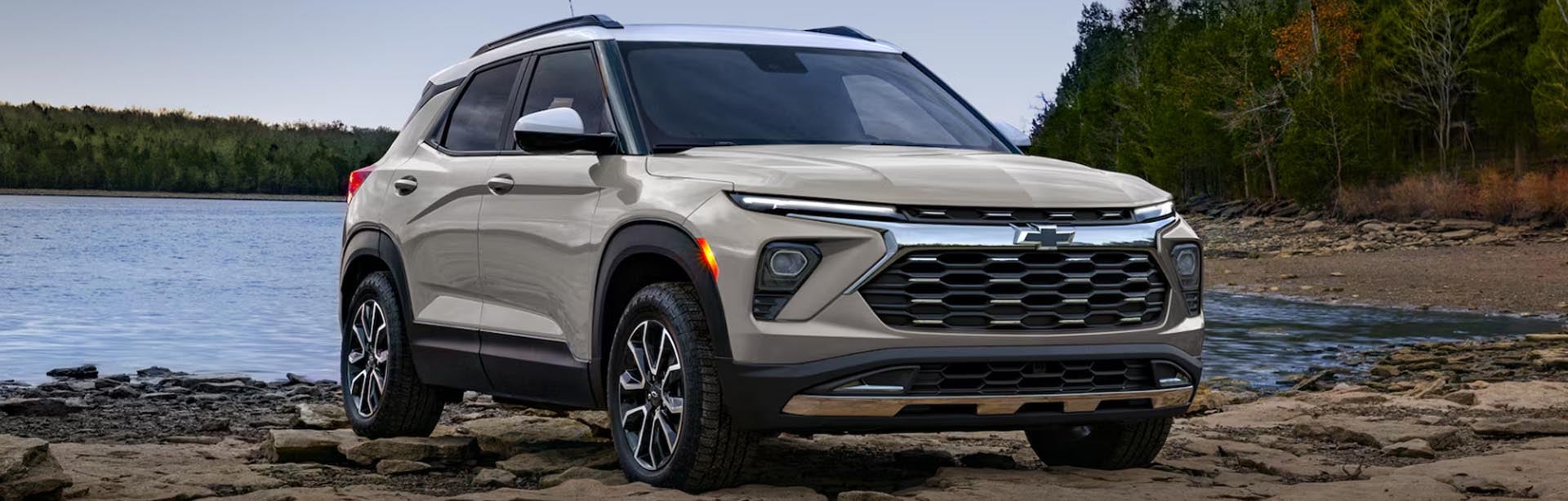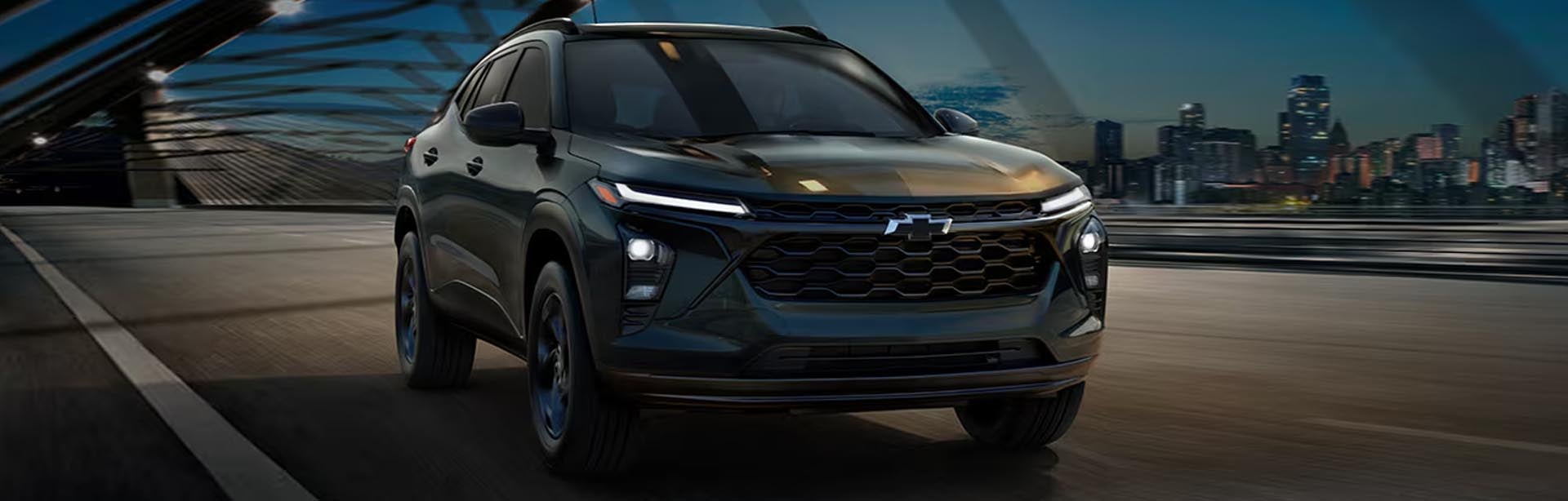





Understanding the tax benefits of section 179 vehicles could be one of the smartest financial moves your business makes this year. Many business owners overlook the fact that vehicle weight plays a major role in what the IRS allows you to deduct. Choose an SUV that crosses the right weight threshold, and you unlock serious savings that lighter vehicles simply cannot offer. The Section 179 deduction was built to encourage businesses to invest in themselves, and a surprising number of full-size SUVs qualify. At Crivelli Chevrolet Buick, we want to help you make the most of every purchase with this business vehicle write-off guide.
What Are Section 179 Vehicles?
A specific part of the IRS tax code, Section 179 allows businesses to deduct the full purchase price of qualifying equipment and vehicles purchased or financed during the tax year. Rather than slowly depreciating an asset over several years, you can take an immediate expense deduction and significantly reduce your taxable income in the same year the vehicle enters service. To qualify, the vehicle must be used for business purposes more than 50% of the time. The most aggressive tax breaks, including favorable commercial vehicle depreciation rules, are reserved for heavier models that go well beyond your standard compact car.
Why the 6,000-Pound Weight Rule Matters
The IRS sets the threshold at a 6,000-pound gross vehicle weight rating. Vehicles below this are classified as passenger automobiles and subject to strict luxury vehicle depreciation caps that spread your tax benefit over many years. When an SUV has a GVWR of more than 6,000 pounds but not more than 14,000 pounds, it sits in a "sweet spot" of tax law. These vehicles avoid the most restrictive vehicle depreciation limits and passenger automobile limits. Because they are heavy enough to be considered non-personal-use tools in the eyes of the government, the law allows you to accelerate the write-off process significantly.
Types of SUVs That Weigh Over 6,000 Pounds
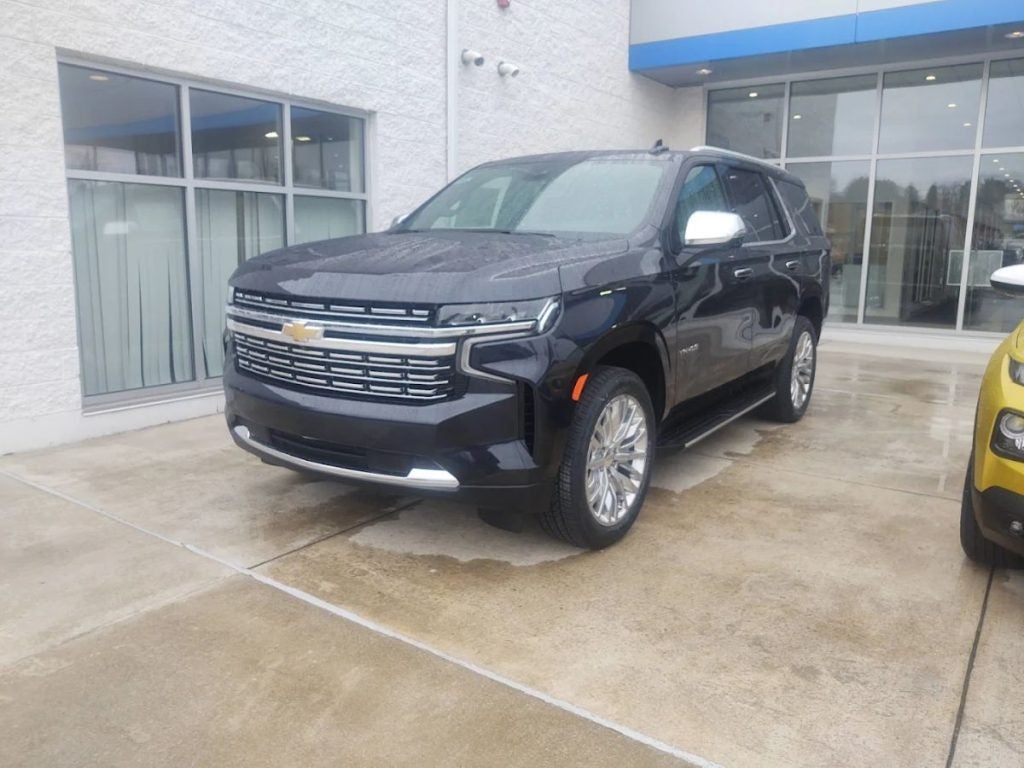
Finding the right vehicle for your business means looking at full-size SUVs and large crossovers that meet the weight requirement. Many popular American-made SUVs are built on truck frames, which naturally pushes them over that crucial 6,000-pound mark.
Some of the most common commercial SUVs that qualify for a heavy SUV tax deduction include:
- Chevrolet Tahoe
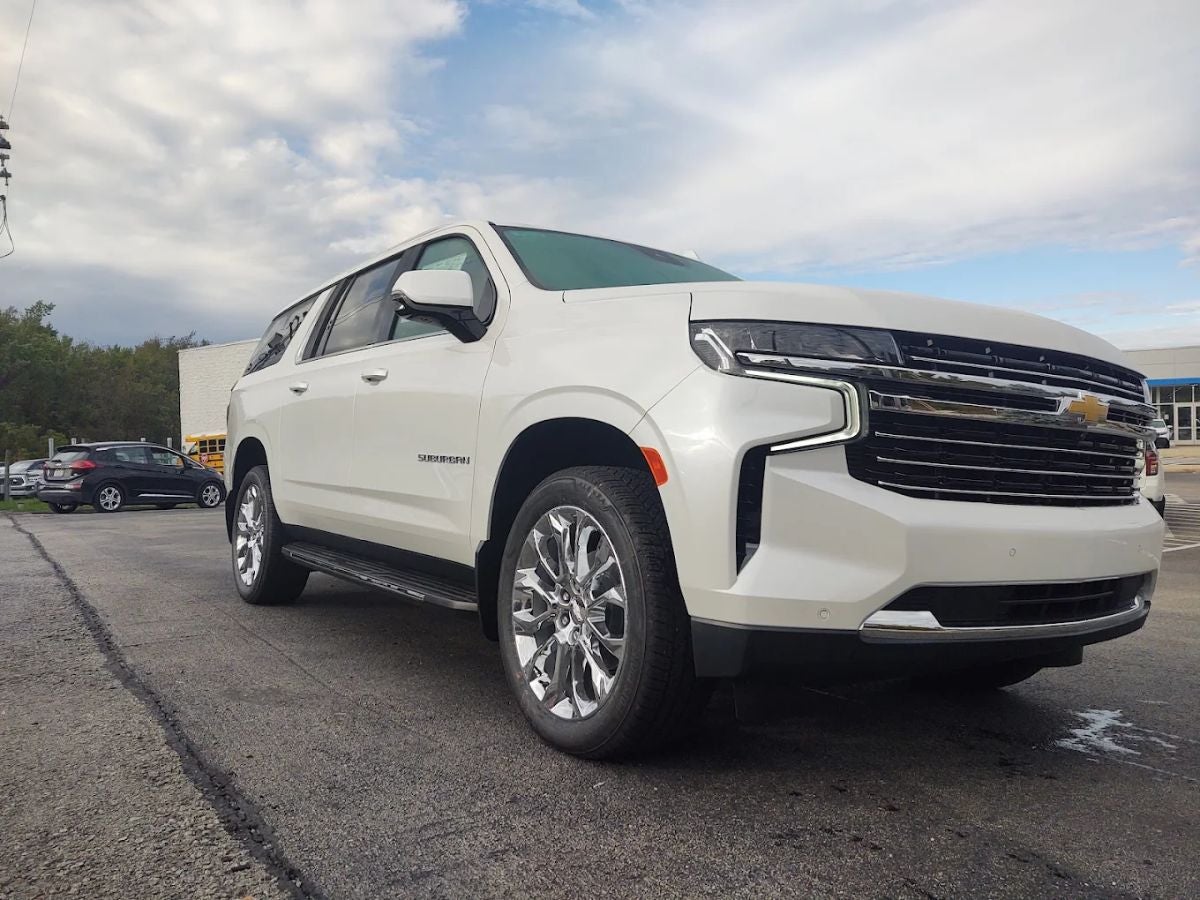
- Chevrolet Suburban
- GMC Yukon and Yukon XL
- Cadillac Escalade
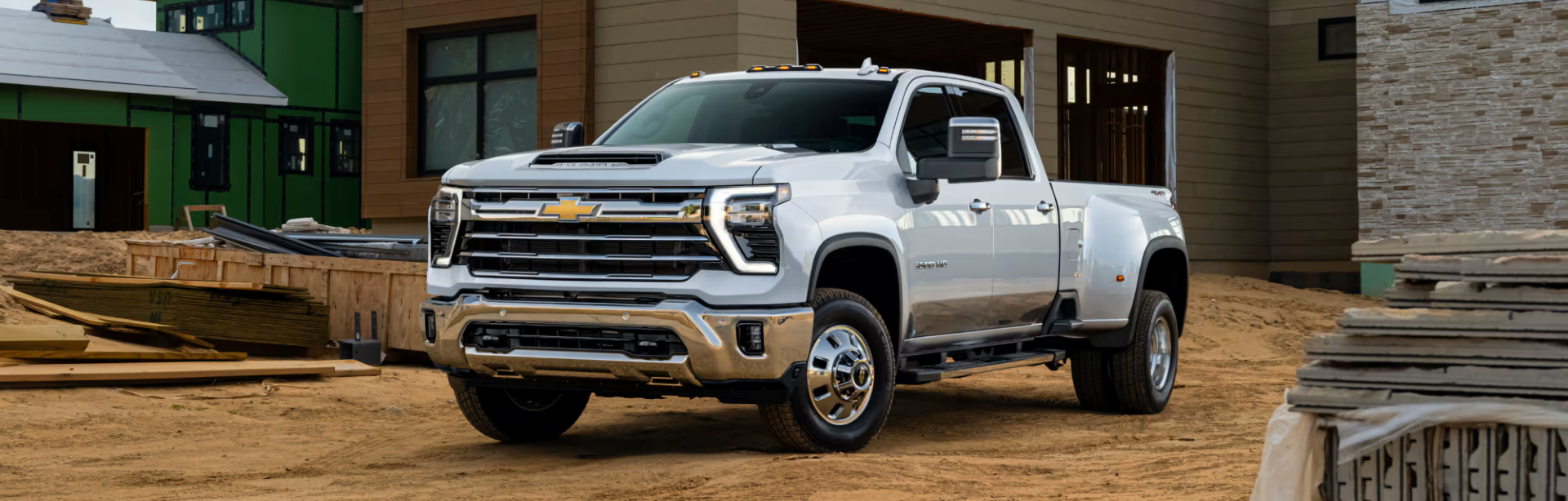
- Chevrolet Silverado (specifically variants with a full cab and short bed)
These vehicles offer the utility of a truck with the passenger space of a van, making them ideal for contractors, real estate agents, and executives who need to transport clients or equipment.
Section 179 Deduction Limits for Heavy SUVs
The Tax Cuts and Jobs Act reshaped how commercial vehicle depreciation works, and the rules for 2026 still favor business buyers significantly. Heavy trucks with long beds can qualify for a full 100% deduction, while SUVs over 6,000 pounds are subject to a set dollar limit on the Section 179 portion. That said, the savings are still substantial. Any remaining vehicle cost not covered by Section 179 can often be further reduced through bonus depreciation. Together, these two provisions allow business owners to recover a large portion of their purchase in the very first year the vehicle enters service.
How to Check If an SUV Qualifies
It is vital to distinguish between the gross vehicle weight rating and the curb weight. The curb weight is simply how much the vehicle weighs sitting empty. The GVWR is the maximum weight the vehicle is engineered to carry safely, including passengers, fuel, and cargo. The IRS looks strictly at the GVWR.
To verify if you have a qualifying business vehicle, you should:
- Check the manufacturer's label inside the driver's side door jamb.
- Look for the specific "GVWR" number.
- Ensure that number is at least 6,001 pounds.
For newer SUV purchases, Section 179 typically delivers a far greater immediate financial impact than simply tracking the IRS mileage rate.
Benefits of Buying Heavy SUVs for Business
The SUV tax benefits go beyond simply reducing your taxable income. Choosing a full-size SUV as a qualifying business vehicle allows you to keep more cash available for other operational needs while adding a durable, long-lasting asset to your books. Heavy SUVs also carry stronger resale value than lighter crossovers, and favorable commercial vehicle depreciation schedules make them a smart long-term investment for any serious business owner.
Common Mistakes to Avoid When Claiming Section 179
Always document your business mileage carefully, especially if you’re using chevrolet's largest model for work purposes. Deductions are based on actual business use percentage, and poor record keeping invites audit problems. Also verify the GVWR on the door sticker before purchasing. Missing the 6,000-pound threshold by even one pound eliminates your heavy SUV tax deduction entirely and drops you into the far less generous vehicle depreciation limits for passenger automobiles.
Is a 6,000+ Pound SUV Right for Your Business?
A heavy SUV makes practical and financial sense whether you are towing trailers or hauling equipment between job sites. The tax savings on a qualifying business vehicle effectively lower the true purchase cost. Consult your tax professional, then visit local Chevy dealers at Crivelli Chevrolet Buick to compare the Tahoe, Suburban, and Silverado in person.
Frequently Asked Questions
1. What records do I need to keep for Section 179 claims?
You should keep the purchase receipt or financing agreement, a detailed mileage log showing business vs. personal use, and the vehicle's registration showing its weight.
2. What is the difference between GVWR and curb weight?
Curb weight is the weight of the vehicle alone. GVWR is the maximum safe weight, including the vehicle, passengers, and cargo. The IRS uses GVWR for tax eligibility.
3. Is there a deduction limit for heavy SUVs?
Yes, while heavy trucks often have no limit, SUVs between 6,000 and 14,000 pounds have a specific annual inflation-adjusted limit under Section 179.
4. Can I claim 100% bonus depreciation on a qualifying SUV?
Bonus depreciation percentages change annually based on current tax laws. It is often used in conjunction with Section 179 to maximize the first-year write-off.
5. Does the vehicle need to be new to qualify?
No, both new and "new to you" (used) vehicles can qualify for Section 179, provided they are new to your business and meet all other IRS criteria.
Conclusion
Finding the right Section 179 vehicles for your business does not have to be complicated. The right Chevy SUVs offer the reliability your fleet demands while delivering real financial benefits at tax time. Whether the Tahoe suits your need for versatility or the Suburban fits the bill with its generous cargo capacity, our team is ready to help. Visit your local Chevy dealers at Crivelli Chevrolet Buick and speak with specialists who understand exactly what business owners need from their next vehicle purchase.