





What Are the Best SUVs to Buy?
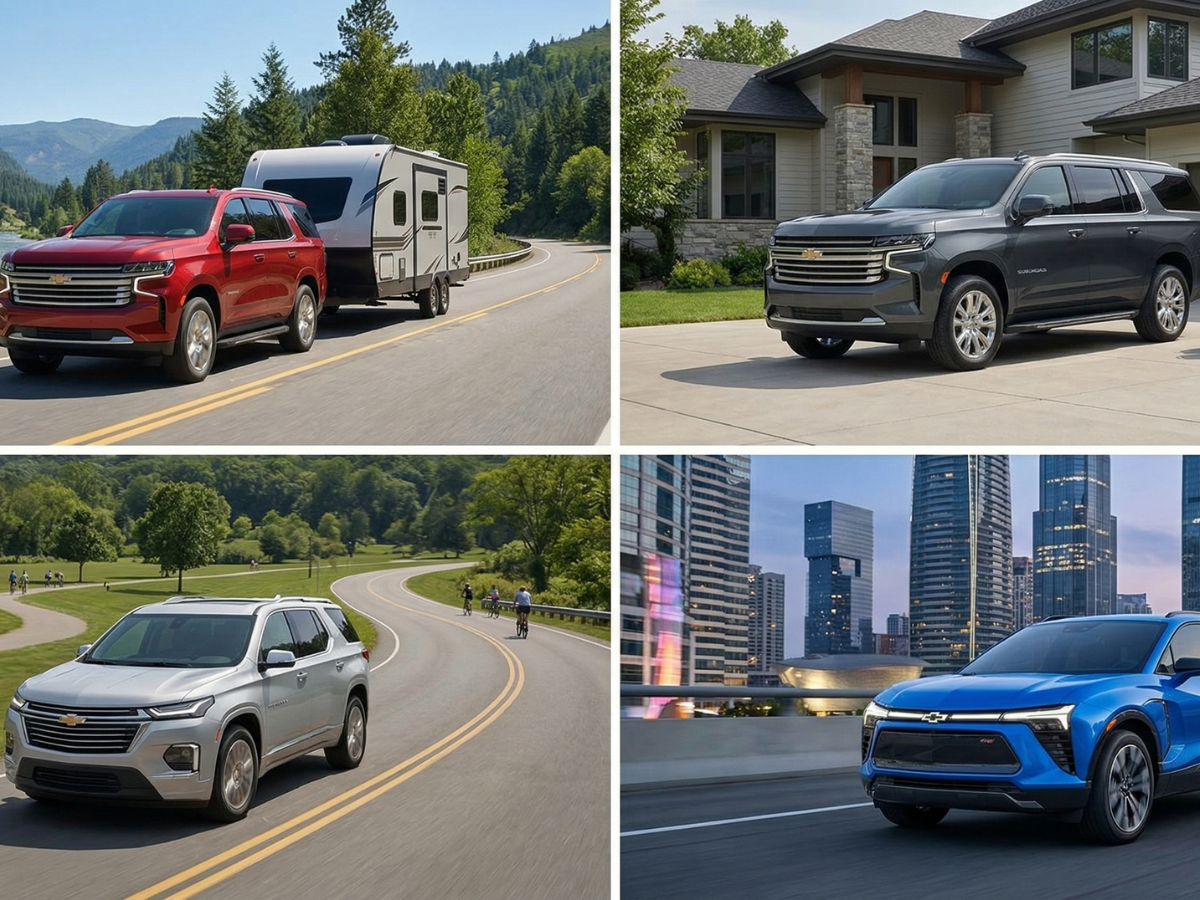
Finding the perfect compact SUV is often the first step toward a more convenient and enjoyable driving experience. Whether you are commuting to work or heading out on a weekend road trip, these vehicles offer a unique blend of efficiency and utility that fits almost any lifestyle.
Most drivers today prefer SUVs because they sit higher off the road and provide a much better view of traffic. While a full-size SUV offers maximum seating and a midsize SUV provides extra towing power, the compact SUV hits the “sweet spot” for many. It is large enough to be functional but small enough to remain easy to park and fuel-efficient.
Choosing the best small SUV involves looking at safety, technology, and interior comfort. In this guide, we will break down everything you need to know to make an informed decision at the dealership.
Why Choose a Compact SUV Over Other Vehicle Types
The main reason buyers flock to the compact crossover SUV is versatility. A full-size SUV can feel bulky in tight city streets, and a midsize SUV might consume more fuel than you actually need for daily errands.
A compact model offers the elevated seating position people love without the heavy footprint, making it a smart alternative often highlighted in big SUV comparisons. When you compare it to a luxury SUV, a compact version usually provides similar high-end tech features at a much more approachable price point. They are easier to maneuver in parking lots and generally cost less to insure and maintain, which adds to their overall appeal for everyday driving.
Key Features to Look for in a Compact SUV
Modern shoppers want a vehicle that does it all. When browsing, prioritize a fuel-efficient SUV that won’t break the bank at the pump. Look for intuitive infotainment systems that include smartphone integration like Apple CarPlay or Android Auto.
Safety should also be at the top of your list. An SUV with advanced safety features will include cameras and sensors to help prevent accidents. If you plan on light towing for a jet ski or small trailer, check the towing capacity ratings, as many compact models can pull up to 1,500 or 3,500 pounds.
Best Compact SUV Models for Families
A family-friendly SUV needs to be more than just a mode of transport; it needs to be a safe haven. Many families are now looking toward efficient chevy hybrid suvs as a way to combine reliability with fuel savings. Compact SUVs are particularly popular for small families because they offer excellent safety ratings and enough LATCH points for child seats.
When narrowing down your list, it is helpful to compare the most dependable suv models currently on the market to ensure long-term peace of mind. Chevrolet offers some of the most reliable options in this category. From the sporty Trailblazer to the versatile Equinox, these vehicles are designed with durable materials that handle spills and wear. You can browse the latest Chevy SUVs to see which size fits your family’s specific needs.
Most Fuel-Efficient Compact SUV Options
If your main goal is saving money on gas, look for a fuel-efficient SUV with a small-displacement turbocharged engine. These engines provide plenty of pep for highway merging while keeping your MPG high.
For instance, looking into the latest trax performance specs reveals how modern engineering can balance a nimble driving feel with impressive fuel savings. For even better results, consider a hybrid SUV. These models use a combination of an electric motor and a gas engine to maximize city mileage. This technology is perfect for stop-and-go traffic where traditional engines waste the most energy.
Compact SUVs with Advanced Safety Technology
Safety is no longer an optional luxury. The modern SUV with advanced safety features comes standard with tools like automatic emergency braking and forward collision alert.
Many models also offer blind-spot monitoring, which acts like a second set of eyes when you are changing lanes on a busy highway. Lane keep assist and adaptive cruise control make long road trips much less stressful by helping you maintain your position and speed automatically.
All-Wheel Drive vs. Front-Wheel Drive in Compact SUVs
Front-wheel drive (FWD) is usually standard and offers the best fuel economy. However, if you live in an area with snow or heavy rain, all-wheel drive (AWD) is a smart investment.
AWD provides better traction when pulling away from a stop on slippery roads. While a compact SUV isn’t built for rock crawling, AWD models do offer some light off-road capability for dirt paths or camping sites.
Compact SUV Cargo Space and Interior Comfort
Don’t let the “compact” label fool you. Many of the best small SUV options feature “fold-flat” rear seats that open up a massive amount of cargo room. This is perfect for hauling groceries, sports gear, or small furniture.
Inside, look for soft-touch materials and adjustable seating. High-quality compact crossovers focus on ergonomics, ensuring that everything the driver needs is within easy reach.
New vs Used Compact SUV—What’svs. the Better Choice?
Buying a new vehicle gives you the peace of mind of a full factory warranty and the very latest gadgets. However, if you are looking for affordable SUV options, a certified pre-owned vehicle can save you thousands of dollars in initial depreciation.
At Chevy dealers like Crivelli Chevrolet Buick, we maintain a diverse inventory of both new and used models. A late-model used SUV often still has many of the modern safety features you want but at a lower monthly payment.
Compact SUV Pricing, Warranty, and Maintenance Costs
Price ranges for compact SUVs vary based on trim levels and engine choices. Generally, maintenance is affordable because these vehicles use common tire sizes and standard engine components.
Always check the towing capacity and engine specs before buying, as higher-performance engines might require synthetic oil or more frequent service intervals. A good warranty can cover major repairs for the first several years of ownership, protecting your investment.
How to Test Drive and Compare Compact SUVs
The best way to know if a vehicle is right for you is to get behind the wheel. When you visit the dealership, pay attention to visibility. Can you see easily over your shoulder?
Test the infotainment system to see if it is easy to use while driving. Feel how the car handles bumps in the road and listen for cabin noise. Comparing two or three different models back-to-back is the most effective way to find your perfect match.
Frequently Asked Questions
What makes a compact SUV different from a full-size SUV?
A compact SUV is built on a smaller chassis, making it easier to drive and more fuel-efficient. A full-size SUV usually has three rows of seats and a much higher towing capacity.
Are compact SUVs good for families?
Yes, they are excellent for families of four or five. They provide great safety ratings and enough cargo space for strollers and gear.
How fuel-efficient is a compact SUV?
Most modern versions get between 25 and 32 miles per gallon on the highway. Hybrid models can perform even better in city driving.
Is all-wheel drive necessary in a compact SUV?
It isn’t strictly necessary, but it is highly recommended if you drive in winter weather or want extra confidence on wet roads.
What safety features should I look for in a compact SUV?
Look for automatic emergency braking, lane departure warning, and a high-quality rearview camera.
Should I buy a new or used compact SUV?
Buy new if you want the latest tech and a full warranty. Buy used if you want to avoid the steepest part of the depreciation curve and save money.
Conclusion
Finding the right vehicle doesn’t have to be a chore. By focusing on safety, fuel economy, and interior comfort, you can find a ride that makes every journey better. Whether you need a rugged adventurer or a stylish commuter, there is a model out there for you.Are you ready to see these features in person? Stop by Crivelli Chevrolet Buick today to browse our extensive inventory and take a few models for a spin. Our team is here to help you find the absolute best compact SUV.
Does Chevrolet Make a Hybrid SUV?
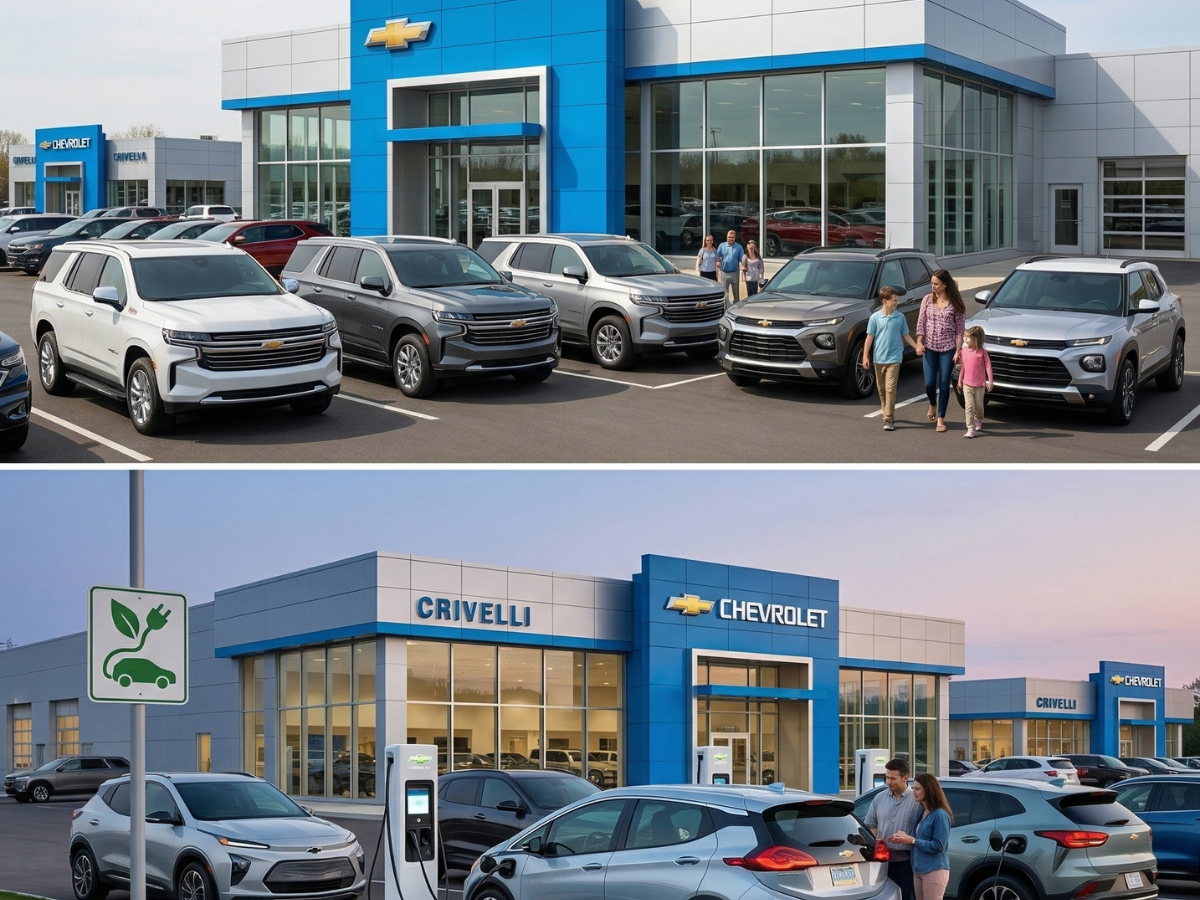
Finding a Chevy hybrid is a top priority for many drivers these days, and it is easy to see why. Between fluctuating gas prices and a growing desire to drive more sustainably, the shift toward electrified vehicles is moving faster than ever. If you have been searching for a versatile SUV that balances the rugged capability of a truck with the efficiency of an electric motor, you are in the right place. At Crivelli Chevrolet Buick, we know that choosing your next family vehicle is a big decision, especially when new technology like gas-electric powertrains enters the mix.
Does Chevrolet offer a Chevy hybrid SUV?
If you are looking for a brand-new, traditional hybrid SUV sitting on a dealership lot today, the answer is a bit more nuanced than a simple yes or no. Chevrolet has shifted its primary focus toward fully electric vehicles (EVs) like the Blazer EV and Equinox EV, which has influenced both availability and blazer pricing across different markets. However, the legacy of the Chevy hybrid remains a significant part of the brand’s DNA, reflecting its long-standing commitment to innovation and fuel efficiency.
Chevrolet was a pioneer in hybrid electric vehicle technology with models like the Tahoe Hybrid and the Silverado Hybrid in previous years. Today, the brand’s strategy focuses on “Ultium” battery technology, which powers a new generation of SUVs that eliminate the need for gasoline entirely. While the current lineup leans heavily into full electrification, many buyers still seek out pre-owned Chevy SUVs that feature hybrid components or look toward the upcoming Corvette E-Ray, which proves that Chevrolet still values the performance boost a hybrid system provides.
What Is a Chevy Hybrid and How Does It Work?
Understanding how a hybrid works is the first step to deciding if it fits your lifestyle. A hybrid vehicle uses a combination of an electric and gas engine to move the car. Instead of relying solely on a fuel tank, the vehicle uses a gas-electric powertrain that switches between the two or uses both simultaneously depending on your speed and acceleration needs.
The heart of this system is the electric motor system and a lithium-ion battery pack. Unlike a full EV, you do not necessarily have to plug a standard hybrid in. It uses a regenerative braking system to capture energy that is usually lost during deceleration and stores it in the battery. This hybrid vehicle technology allows the SUV to shut off the gas engine at stoplights or crawl through parking lots using only electricity, which significantly boosts fuel efficiency in stop-and-go traffic.
Types of Chevy Hybrid SUV Options Available
When discussing electrified vehicles, it is important to distinguish between the different types of technology available.
- Hybrid Electric Vehicle (HEV): This is the traditional setup where the gas engine and electric motor work together. The battery charges through driving and braking.
- Plug-in Hybrid Technology (PHEV): A PHEV has a larger battery and can be plugged into a wall outlet. This allows for a specific EV driving range where you can drive 20 to 40 miles without using a single drop of gasoline. Once the battery dips, the gas engine kicks in.
- Mild Hybrids: These use a small electric motor to assist the engine but cannot power the wheels on electricity alone.
Each of these systems affects battery performance and fuel economy ratings differently. While Chevrolet is currently leading the charge with full EVs, the secondary market for their previous hybrid SUVs remains a popular choice for those not yet ready to go “all-in” on charging cables.
Key Features of a Chevy Hybrid SUV
What makes a hybrid SUV stand out compared to a standard internal combustion model? It usually comes down to the seamless integration of parts.
- Regenerative Braking System: This feels like standard braking but actually recharges your SUV’s battery performance every time you slow down.
- Electric Motor System Assistance: The motor provides instant torque, which means you get a smooth power delivery and quicker starts from a dead stop.
- Improved Fuel Economy Ratings: By offloading work from the gasoline engine to the electric motor, hybrids achieve much higher MPG in the city.
- Reduced Emissions: Because the engine runs less frequently, a hybrid is a much more eco-friendly SUV option for environmentally conscious families.
Chevy Hybrids vs. Gas-Powered SUVs
Choosing between a hybrid and a traditional gas SUV often comes down to your driving habits. If you spend most of your time on the highway, a modern, fuel-efficient gas engine is already quite effective. However, for the average commuter, the fuel-efficient SUV advantages of a hybrid are hard to ignore.
Hybrids generally offer a higher upfront cost but provide long-term ownership benefits through fuel savings and less wear on the engine. Gas-powered SUVs are simpler to maintain for some, but they cannot match the silent, vibration-free experience of an electric motor. If you want to compare these platforms side-by-side, the experts at Chevy dealers like Crivelli Chevrolet Buick can show you exactly how the latest Chevy models stack up against older hybrid technology.
Benefits of Choosing a Hybrid SUV
The reasons to go hybrid go beyond just saving a few dollars at the pump. Many drivers appreciate the “green” aspect of eco-friendly SUV options. By burning less fuel, you are contributing to reduced emissions in your local community.
Additionally, the improved driving efficiency often results in a quieter cabin. Without the constant drone of a high-revving engine during city crawls, the driving experience becomes much more relaxed. Lower fuel costs are the obvious perk, but the specialized hybrid technology advantages, like tax incentives in some regions or better resale value, make it a smart financial move as well.
Is a Chevy Hybrid SUV Worth Buying?
If your daily commute involves heavy traffic or short trips, a hybrid or electrified SUV is absolutely worth the investment. The fuel savings alone can offset a monthly car payment over time. As Chevrolet moves toward fully electrified SUVs, now is the perfect time to explore how an electric motor system can improve your life. Prefer something smaller? Chevrolet also offers a fuel-efficient sedan for a more compact everyday drive. From the spacious Tahoe to the nimble Equinox, the team at Crivelli Chevrolet Buick is here to guide you through every powertrain option.
Frequently Asked Questions About Chevy Hybrid SUVs
Does Chevrolet currently produce a Chevy hybrid SUV?
Chevrolet’s 2024-2025 lineup features fully electric SUVs and gasoline models, delivering the same eco-friendly benefits without a standard hybrid SUV.
What is the difference between a hybrid and a plug-in hybrid SUV?
A standard hybrid charges its battery through driving and braking, never needing to be plugged in. A plug-in hybrid (PHEV) has a larger battery that you charge via an outlet, allowing for a short range of purely electric driving.
Are Chevy hybrid SUVs fuel-efficient?
Yes. Previous Chevy hybrid models and current electrified SUVs are designed specifically to maximize miles per gallon or miles per kilowatt-hour, significantly outperforming traditional gas-only engines in city driving.
How long does a hybrid SUV battery last?
Chevrolet backs hybrid and electric batteries with an 8-year/100,000-mile warranty, ensuring long-term SUV battery performance and peace of mind.
Do hybrid SUVs require special maintenance?
Hybrids need standard oil changes and tire rotations, while regenerative braking extends brake pads’ and rotors’ lives significantly.
Conclusion
Deciding on the right SUV means weighing performance, space, and efficiency. While the market is changing, the benefits of a fuel-efficient SUV remain clear: lower costs, a smoother ride, and a smaller carbon footprint. At Crivelli Chevrolet Buick, we are proud to be your local experts in the latest automotive trends. Whether you are interested in a pre-owned hybrid or one of the stunning new all-electric models, we invite you to visit our showroom and take a test drive. Our team is ready to help you find the perfect Chevy hybrid or electric vehicle for your lifestyle.
What Is the Biggest Chevy SUV?
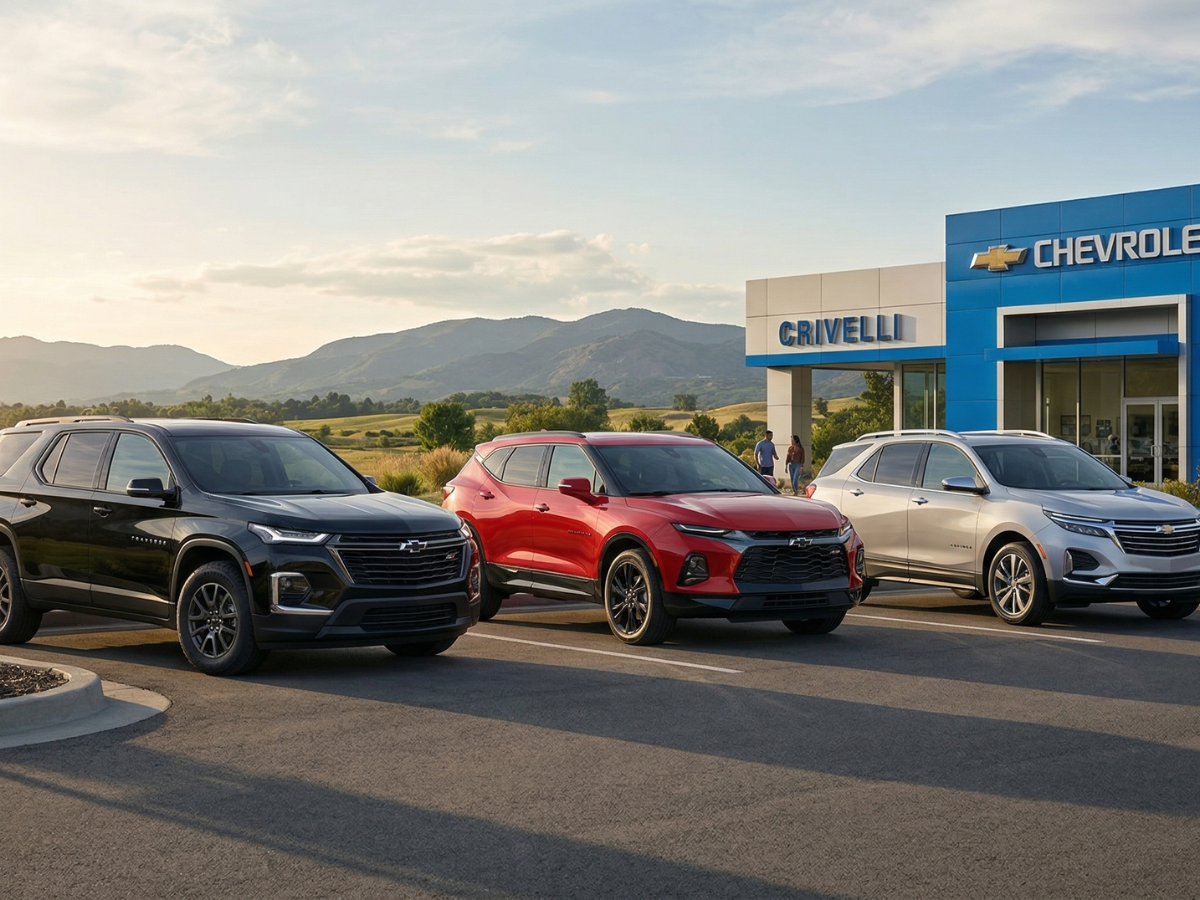
If you are currently researching the most capable vehicles on the market, you are likely asking, “What is the biggest Chevy SUV available for my family?” In an era where versatility and interior volume are the primary drivers for automotive shoppers, Chevrolet has maintained a dominant position by offering a range of sizes to meet every possible need. While many drivers find the perfect fit in a compact SUV or a versatile midsize SUV, there are certain lifestyles that require the absolute maximum in terms of space and power.
Whether you are planning cross-country road trips with a full crew or need to haul heavy equipment for your weekend hobbies, the largest models in the Chevy lineup stand out among heavy duty SUVs, offering capabilities that smaller vehicles simply cannot match. In this comprehensive guide, we will break down the dimensions, performance, and technology of the reigning champion of the Chevrolet showroom to help you decide if it belongs in your driveway.
What Is the Biggest Chevy SUV Currently Available?
The undisputed king of the Chevrolet lineup is the legendary Chevy Suburban. As a quintessential full-size sport utility vehicle, the Suburban has spent nearly a century defining the category of high-capacity transportation. It is widely recognized as the largest SUV model in the brand’s history, sitting comfortably above the Tahoe in terms of overall length and storage capability.
While many shoppers at Crivelli Chevrolet Buick might first look at a midsize SUV like the Traverse, the Suburban appeals to those who need a true full-size SUV built on a high-strength, truck-based frame. This rugged construction is what sets the Suburban apart from smaller crossovers. It allows for a level of durability and presence that is essential for heavy-duty family use. By choosing the Suburban, you are investing in a vehicle that offers more than just a place to sit; you are choosing a powerhouse designed to tackle the most demanding tasks without breaking a sweat.
Biggest Chevy SUV Interior Space and Cargo Capacity
The primary reason families choose the Suburban is for its unrivaled interior volume. It is the definition of a spacious family vehicle, providing enough room for everyone to stretch out even on the longest journeys.
- Three-row seating capacity: Depending on your chosen configuration, the Suburban can seat seven, eight, or even nine passengers.
- Maximum cargo space: When you fold down the second and third rows, you unlock a staggering 144.7 cubic feet of storage.
- Adult-Sized Third Row: Unlike many competitors, where the back row is cramped, the Suburban offers 36.7 inches of legroom in the very back.
- Usable Trunk Space: Even with the three-row seating capacity fully utilized, you still have 41.5 cubic feet of space behind the rear seats for groceries or luggage.
This combination of passenger comfort and maximum cargo space makes the Suburban the ultimate tool for carpools, vacations, and hauling bulk items from the store.
Engine Performance and Towing Power
A vehicle of this magnitude requires a serious powertrain, and Chevrolet delivers with three distinct options. Each engine is designed to maximize SUV towing capability while providing a smooth and confident driving experience. This is especially important when considering the largest SUV models, where performance, strength, and reliability play a crucial role in handling heavy loads and long-distance travel with ease.
The standard 5.3L V8 engine offers a balanced mix of 355 horsepower and 383 pound feet of torque. For those who want more muscle for merging on the highway, the available 6.2L V8 produces a massive 420 horsepower. Additionally, the 3.0L Duramax Turbo-Diesel is a popular choice for long-distance towers who want the best possible fuel efficiency without sacrificing low-end pull.
In terms of towing capacity, a properly equipped Suburban can pull up to 8,300 pounds. This level of performance is perfect for:
- Heavy-duty campers and RVs
- Large multi-axle boat trailers
- Horse trailers and utility loads
Biggest Chevy SUV Dimensions and Exterior Size
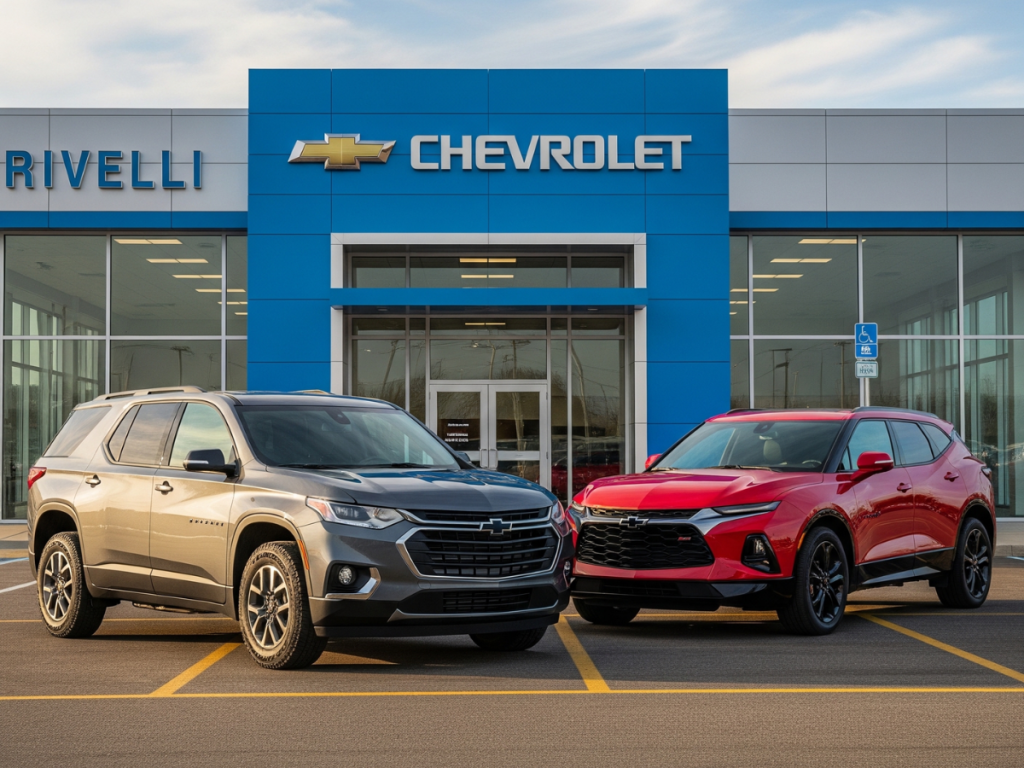
To understand why the Suburban is the biggest Chevy SUV, one must look at the physical footprint. This vehicle commands the road with a total length of 225.7 inches and a wheelbase of 134.1 inches.
When compared to a midsize SUV, the Suburban is significantly longer, which translates directly into better ride stability and more interior room. The width of 81.1 inches provides a wide stance that improves handling, while the height of roughly 75.7 inches ensures a commanding view of the road ahead. This larger design is not just about aesthetics; it creates a more stable platform for towing and allows for the deep footwells that make the rear seating so comfortable for adult passengers.
Features and Technology in the Largest Chevy SUV
Modern Chevrolet vehicles have transitioned into the realm of the luxury SUV, and the Suburban leads the way with cutting-edge innovations. The centerpiece of the cabin is a massive 17.7-inch diagonal infotainment touchscreen that is angled toward the driver for easy access.
Safety is also a top priority for this spacious family vehicle. Standard features include Chevy Safety Assist, which provides automated emergency braking and lane-keeping assistance. For those who enjoy adventure, the Z71 trim offers impressive off-road capability with skid plates and all-terrain tires. While there is not yet a dedicated hybrid SUV version of the Suburban, the advanced fuel management systems in the V8 engines and the high-efficiency diesel option ensure that you are getting the most out of every gallon of fuel.
Biggest Chevy SUV vs. Other Full-Size SUVs
When you compare the Suburban to other full-size SUV models on the market, its advantages become clear. Many competitors offer a standard-length SUV but lack an extended version that matches the Suburban’s 144.7 cubic feet of cargo room. Additionally, the Suburban’s third-row legroom is consistently higher than that of its rivals. Whether you are comparing it based on SUV towing capability or passenger comfort, the Suburban offers a more complete package for those who need a vehicle that can truly do it all without compromise.
Who Should Buy the Biggest Chevy SUV?
The Suburban is the ideal choice for anyone who finds that a standard vehicle simply cannot keep up with their lifestyle. At Crivelli Chevrolet Buick, we frequently recommend the Suburban to:
- Families with four or more children who need a dedicated three-row seating capacity.
- Adventure seekers who require a high towing capacity for large outdoor toys.
- Professionals who need a luxury SUV that can double as a mobile office or cargo hauler.
Our team is dedicated to helping you find the right fit for your needs. We invite you to visit our dealership to see our wide selection of Chevy SUVs or to consult with our expert Chevy dealers about which trim level is right for you.
Frequently Asked Questions
How many passengers can the biggest Chevy SUV seat?
The Suburban can seat up to nine people when equipped with the available front bench seat on the LS trim. Most other configurations seat seven or eight passengers comfortably.
What is the cargo capacity of the biggest Chevy SUV?
The Suburban provides a class-leading maximum cargo space of 144.7 cubic feet when all rear seats are folded flat.
Is the biggest Chevy SUV good for towing?
Yes, it is excellent for towing. With a maximum towing capacity of 8,300 pounds, it can easily handle large trailers and boats.
Does the biggest Chevy SUV come with four-wheel drive?
Yes, four-wheel drive is available across the entire Suburban lineup to provide better traction and off-road capability.
Conclusion
Choosing a vehicle that meets the needs of your entire family is an important decision. The Chevrolet Suburban stands alone as the ultimate solution for those who require the best in space, power, and modern technology. With its unmatched maximum cargo space and legendary SUV towing capability, it is a vehicle that is ready for any challenge you throw its way. We encourage you to explore our latest inventory of Chevy SUVs and see why this model remains a favorite for families across the country. Please visit us at Crivelli Chevrolet Buick or contact our trusted Chevy dealers today to schedule a test drive and experience the biggest Chevy SUV.
What Are the Largest SUVs?
Finding the right vehicle for a growing family or a demanding lifestyle often leads to one specific question: what are the largest SUV options currently available on the market? Whether you are hauling a youth sports team to practice, packing up for a cross-country road trip, or hitching up a heavy trailer for a weekend at the lake, size truly matters. These automotive giants offer a level of versatility that smaller crossovers simply cannot match. In this guide, we will explore the dimensions, power, and high-tech features that define these massive machines, helping you decide which big rig deserves a spot in your driveway.
What Defines the Largest SUV in Today’s Market?
When we talk about the biggest vehicles on the road, we are usually referring to a full-size sport utility vehicle built with body-on-frameSUV construction. Unlike smaller SUVs that use a car-like unibody frame, these large models are built more like trucks. This gives them the structural integrity needed for immense weight and heavy lifting.
The market for suvs over 6,000 lbs generally splits into two sub-categories. First, you have the standard full-size models. Then, you have the extended-wheelbase SUV variants. These extended models, such as the Chevrolet Suburban, add extra length to the rear of the vehicle. This additional size increases legroom for third-row passengers and significantly expands the trunk area. To be considered among the largest, a vehicle typically exceeds 200 inches in total length.
Top Features You Can Expect in the Largest SUV Models
If you are investing in a vehicle of this scale, you aren’t just buying metal by the pound. You are buying a mobile command center. These vehicles are packed with amenities designed to keep up to nine people comfortable.
- Three-Row SUV Seating: Most models offer a seven-passenger SUV layout with second-row captain’s chairs, but many can be configured with benches to seat eight or nine.
- Luxury Full-Size SUV Appointments: Expect premium leather surfaces, heated and ventilated seats in the first two rows, and even panoramic sunroofs that span almost the entire roofline.
- Advanced Infotainment: Modern large SUVs act as rolling Wi-Fi hotspots. Many feature dual-screen rear entertainment systems so the kids can watch movies while you use the primary navigation screen up front.
- Off-Road SUV Capability: Many of these giants come equipped with four-wheel drive and adjustable air suspensions, allowing them to clear obstacles that would stop a smaller car in its tracks.
Largest SUV vs. Full-Size SUV: What’s the Difference?
The terms are often used interchangeably, but there is a nuance to the labels. A full-size SUV is a broad category that includes any vehicle built on a large truck platform. However, the “largest” tag is usually reserved for the extended-length versions of those platforms.
For instance, the Chevy Tahoe is a quintessential full-size SUV. It is big, powerful, and spacious. However, its sibling, the Suburban, is considered the largest SUV in the lineup because it features a longer frame. The difference is most noticeable once you open the liftgate. While a standard full-size model might have limited trunk space when the third row is upright, the extended version maintains a massive cargo hold regardless of how many seats are in use.
Interior Space and Cargo Capacity in the Largest SUV Options
Space is the primary reason most people visit Chevy dealers to look at these models. A maximum-cargo-space SUV provides a level of utility that is hard to wrap your head around until you see it in person.
Passenger Comfort
In a three-row SUV, the biggest concern is often the “way back” seat. In smaller crossovers, the third row is usually reserved for small children. In the largest models, adult-sized passengers can sit comfortably in the rear for hours.
Cargo Versatility
With the second and third rows folded flat, these vehicles offer well over 120 cubic feet of storage. This is enough room to transport 4×8 sheets of plywood, full sets of luggage for a family of six, or even small pieces of furniture. This flexibility makes them the ultimate large family vehicle for those who refuse to leave anything behind.
Fuel Efficiency and Engine Options in Large SUVs
Moving a vehicle that weighs nearly three tons requires a serious powerhouse, which is exactly why the biggest Chevy SUV stands out in its class. The V8-engine SUV remains the gold standard in this segment, delivering the strength and reliability drivers expect. These engines provide the low-end torque necessary to get a heavy vehicle moving smoothly from a dead stop.
While V8s are known for their roar and reliability, many manufacturers are now introducing more efficient options. This includes Duramax diesel engines that offer incredible highway fuel economy and massive torque for towing. Some brands are also experimenting with mild-hybrid systems to help capture energy during braking, though the primary focus remains on consistent, heavy-duty performance.
Safety Ratings and Technology in the Largest SUVs
When you are behind the wheel of a massive vehicle, safety is a top priority. Manufacturers equip these models with “smart” safety suites. Features like automatic emergency braking, forward collision alert, and lane keep assist come standard on most Chevy SUVs today.
Because these vehicles are so long, visibility can be a challenge. That is why high-definition surround-vision cameras are essential. These systems use multiple cameras to create a bird’s-eye view of the vehicle, making it much easier to park in tight spots or navigate crowded school pickup lines.
Towing Capacity of the Largest SUV Models
A heavy-duty towing SUV is often a necessary alternative for people who need truck-like power but require an enclosed cabin for passengers. Most of the largest models on the market can comfortably tow between 7,000 and 8,500 pounds.
What Can You Tow?
- Large boats and trailers.
- Two-horse trailers.
- Multi-car trailers or flatbeds.
- Heavy-duty campers and RVs.
Integrated trailer brake controllers and specialized “Tow/Haul” drive modes make the experience much safer by adjusting the transmission shift points and braking pressure.
Is the Largest SUV Right for Your Family?
Deciding to go big is a lifestyle choice. If you have four or more children, or if you regularly travel with grandparents and pets, the extra real estate is a lifesaver. It eliminates the “he’s touching me” arguments by providing personal space for every passenger.
At Crivelli Chevrolet Buick, we see families every day who are looking for that perfect balance of comfort and capability. If your weekends involve boat ramps, dirt trails, or massive grocery hauls, these vehicles are designed specifically for you. They offer a sense of security and presence on the road that provides peace of mind for parents and comfort for everyone else.
Frequently Asked Questions
Are large SUVs suitable for daily driving?
Yes, they are designed with light steering and advanced camera systems to make daily commutes and parking much easier than they were in years past.
How many passengers can the largest SUV seat?
Most models seat seven or eight passengers, but some configurations allow for up to nine people.
Do the largest SUVs have good towing capacity?
Absolutely. Many of these models are rated to tow over 8,000 pounds, making them ideal for boats and campers.
Are the largest SUVs fuel-efficient?
While they consume more than small cars, modern cylinder deactivation and diesel engine options have significantly improved their highway mileage.
Conclusion
If you are ready to experience the comfort and power of a full-size sport utility vehicle, there is no substitute for a test drive. From the legendary cargo capacity of the Suburban to the refined tech of the Tahoe, these vehicles are built to handle whatever life throws your way. Visit us today to browse our current inventory and speak with our experts about finding the perfect fit for your lifestyle.
Stop by Crivelli Chevrolet Buick to see how these giants handle the road. As your trusted Chevy dealers, we are here to help you navigate all the options and find the absolute largest SUV.
What SUVs Weigh Over 6000 Pounds
Understanding the tax benefits of section 179 vehicles could be one of the smartest financial moves your business makes this year. Many business owners overlook the fact that vehicle weight plays a major role in what the IRS allows you to deduct. Choose an SUV that crosses the right weight threshold, and you unlock serious savings that lighter vehicles simply cannot offer. The Section 179 deduction was built to encourage businesses to invest in themselves, and a surprising number of full-size SUVs qualify. At Crivelli Chevrolet Buick, we want to help you make the most of every purchase with this business vehicle write-off guide.
What Are Section 179 Vehicles?
A specific part of the IRS tax code, Section 179 allows businesses to deduct the full purchase price of qualifying equipment and vehicles purchased or financed during the tax year. Rather than slowly depreciating an asset over several years, you can take an immediate expense deduction and significantly reduce your taxable income in the same year the vehicle enters service. To qualify, the vehicle must be used for business purposes more than 50% of the time. The most aggressive tax breaks, including favorable commercial vehicle depreciation rules, are reserved for heavier models that go well beyond your standard compact car.
Why the 6,000-Pound Weight Rule Matters
The IRS sets the threshold at a 6,000-pound gross vehicle weight rating. Vehicles below this are classified as passenger automobiles and subject to strict luxury vehicle depreciation caps that spread your tax benefit over many years. When an SUV has a GVWR of more than 6,000 pounds but not more than 14,000 pounds, it sits in a “sweet spot” of tax law. These vehicles avoid the most restrictive vehicle depreciation limits and passenger automobile limits. Because they are heavy enough to be considered non-personal-use tools in the eyes of the government, the law allows you to accelerate the write-off process significantly.
Types of SUVs That Weigh Over 6,000 Pounds
Finding the right vehicle for your business means looking at full-size SUVs and large crossovers that meet the weight requirement. Many popular American-made SUVs are built on truck frames, which naturally pushes them over that crucial 6,000-pound mark.
Some of the most common commercial SUVs that qualify for a heavy SUV tax deduction include:
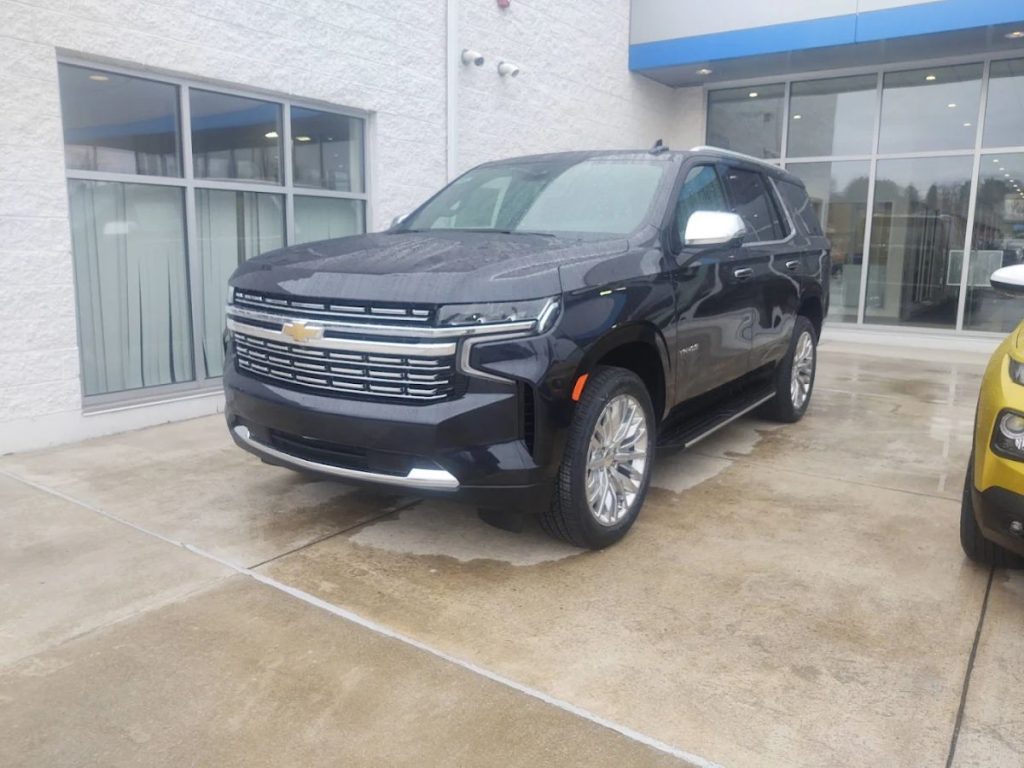
- Chevrolet Tahoe
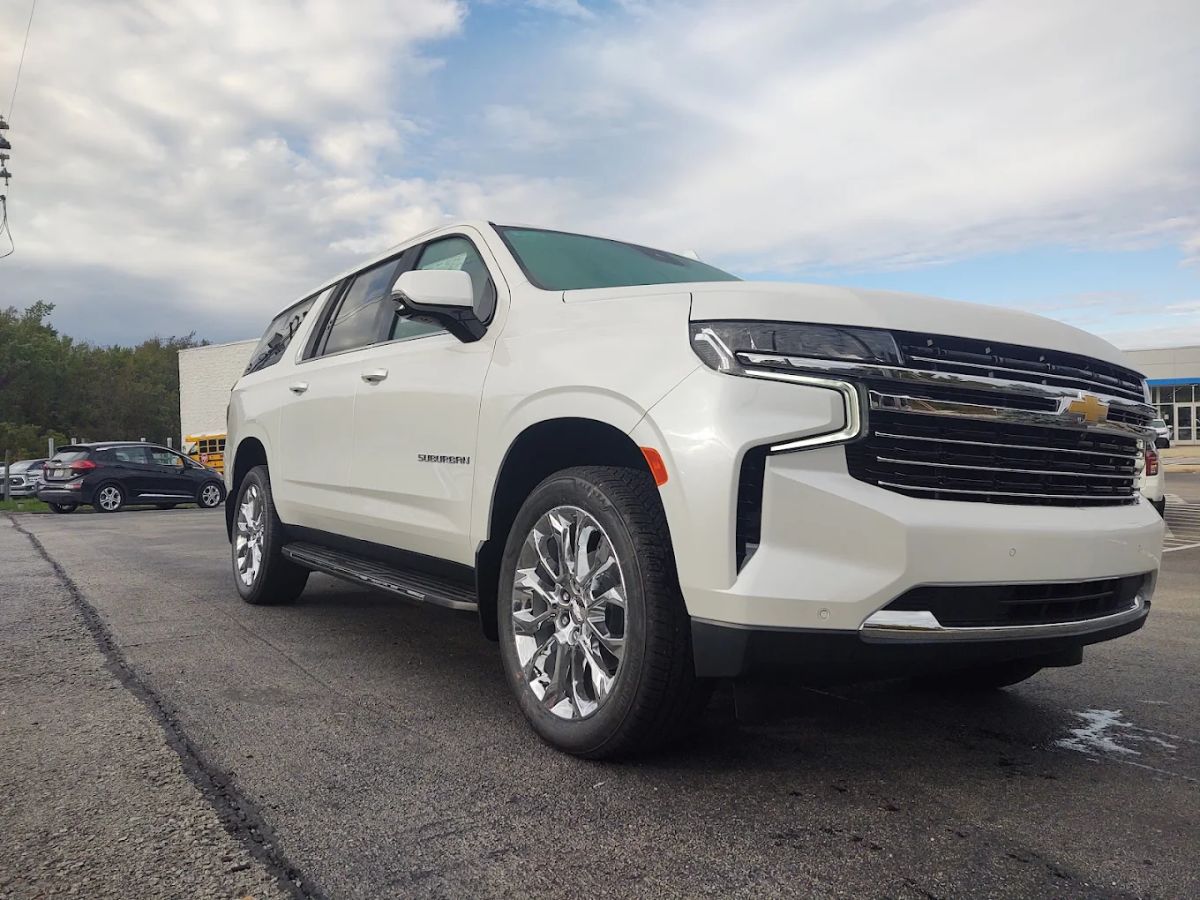
- Chevrolet Suburban
- GMC Yukon and Yukon XL
- Cadillac Escalade
- Chevrolet Silverado (specifically variants with a full cab and short bed)
These vehicles offer the utility of a truck with the passenger space of a van, making them ideal for contractors, real estate agents, and executives who need to transport clients or equipment.
Section 179 Deduction Limits for Heavy SUVs
The Tax Cuts and Jobs Act reshaped how commercial vehicle depreciation works, and the rules for 2026 still favor business buyers significantly. Heavy trucks with long beds can qualify for a full 100% deduction, while SUVs over 6,000 pounds are subject to a set dollar limit on the Section 179 portion. That said, the savings are still substantial. Any remaining vehicle cost not covered by Section 179 can often be further reduced through bonus depreciation. Together, these two provisions allow business owners to recover a large portion of their purchase in the very first year the vehicle enters service.
How to Check If an SUV Qualifies
It is vital to distinguish between the gross vehicle weight rating and the curb weight. The curb weight is simply how much the vehicle weighs sitting empty. The GVWR is the maximum weight the vehicle is engineered to carry safely, including passengers, fuel, and cargo. The IRS looks strictly at the GVWR.
To verify if you have a qualifying business vehicle, you should:
- Check the manufacturer’s label inside the driver’s side door jamb.
- Look for the specific “GVWR” number.
- Ensure that number is at least 6,001 pounds.
For newer SUV purchases, Section 179 typically delivers a far greater immediate financial impact than simply tracking the IRS mileage rate.
Benefits of Buying Heavy SUVs for Business
The SUV tax benefits go beyond simply reducing your taxable income. Choosing a full-size SUV as a qualifying business vehicle allows you to keep more cash available for other operational needs while adding a durable, long-lasting asset to your books. Heavy SUVs also carry stronger resale value than lighter crossovers, and favorable commercial vehicle depreciation schedules make them a smart long-term investment for any serious business owner.
Common Mistakes to Avoid When Claiming Section 179
Always document your business mileage carefully, especially if you’re using chevrolet’s largest model for work purposes. Deductions are based on actual business use percentage, and poor record keeping invites audit problems. Also verify the GVWR on the door sticker before purchasing. Missing the 6,000-pound threshold by even one pound eliminates your heavy SUV tax deduction entirely and drops you into the far less generous vehicle depreciation limits for passenger automobiles.
Is a 6,000+ Pound SUV Right for Your Business?
A heavy SUV makes practical and financial sense whether you are towing trailers or hauling equipment between job sites. The tax savings on a qualifying business vehicle effectively lower the true purchase cost. Consult your tax professional, then visit local Chevy dealers at Crivelli Chevrolet Buick to compare the Tahoe, Suburban, and Silverado in person.
Frequently Asked Questions
1. What records do I need to keep for Section 179 claims?
You should keep the purchase receipt or financing agreement, a detailed mileage log showing business vs. personal use, and the vehicle’s registration showing its weight.
2. What is the difference between GVWR and curb weight?
Curb weight is the weight of the vehicle alone. GVWR is the maximum safe weight, including the vehicle, passengers, and cargo. The IRS uses GVWR for tax eligibility.
3. Is there a deduction limit for heavy SUVs?
Yes, while heavy trucks often have no limit, SUVs between 6,000 and 14,000 pounds have a specific annual inflation-adjusted limit under Section 179.
4. Can I claim 100% bonus depreciation on a qualifying SUV?
Bonus depreciation percentages change annually based on current tax laws. It is often used in conjunction with Section 179 to maximize the first-year write-off.
5. Does the vehicle need to be new to qualify?
No, both new and “new to you” (used) vehicles can qualify for Section 179, provided they are new to your business and meet all other IRS criteria.
Conclusion
Finding the right Section 179 vehicles for your business does not have to be complicated. The right Chevy SUVs offer the reliability your fleet demands while delivering real financial benefits at tax time. Whether the Tahoe suits your need for versatility or the Suburban fits the bill with its generous cargo capacity, our team is ready to help. Visit your local Chevy dealers at Crivelli Chevrolet Buick and speak with specialists who understand exactly what business owners need from their next vehicle purchase.
How Much Is a Chevrolet Blazer?
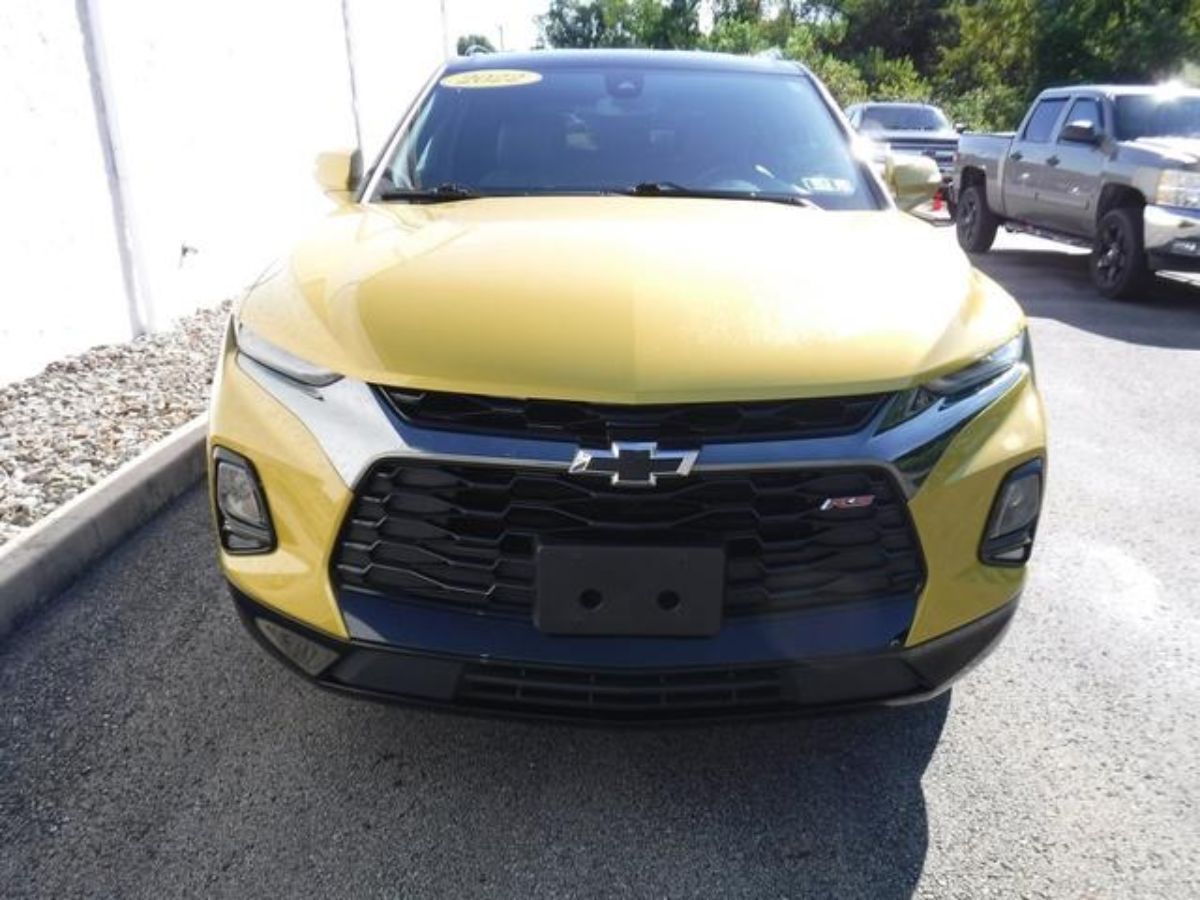
If you are in the market for a stylish, athletic SUV, the first thing on your mind is likely the Chevrolet Blazer cost. Budgeting for a vehicle is about more than just the number on the window sticker; it is about understanding how that price translates to your daily life, your monthly payments, and your long-term satisfaction. At Crivelli Chevrolet Buick, we believe that an informed buyer is a happy buyer, which is why we have put together this comprehensive guide to help you navigate the financial side of owning this iconic midsize SUV.
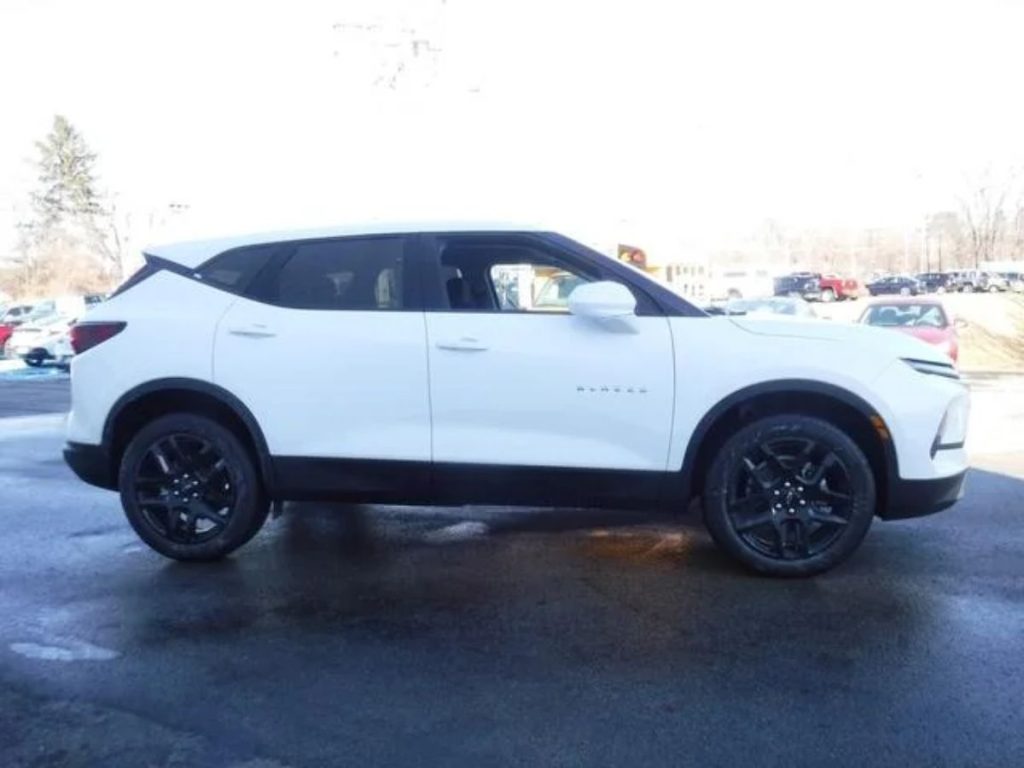
Choosing a vehicle is a major investment, and the Blazer stands out for its bold, Camaro-inspired design and versatile performance. However, because prices can vary based on trim levels, engine choices, and current market conditions, getting a clear picture of the 2026 landscape is essential before you visit the showroom.
What Is the Average Chevrolet Blazer Cost in 2026?
For the 2026 model year, the Chevrolet Blazer cost remains competitive among the top midsize SUVs in its segment. While the final price depends heavily on the options you select, the midsize SUV price range for a new Blazer typically starts in the mid-$34,000s for a base configuration.
When looking at the new SUV MSRP, most buyers find that a well-equipped model lands somewhere between $38,000 and $46,000. This pricing strategy allows Chevrolet to compete effectively with both entry-level family crossovers and more premium, sport-oriented rivals. By offering a broad spectrum of prices, the Blazer appeals to young professionals, growing families, and those who simply want a vehicle that looks as good as it drives.
Chevrolet Blazer Trim Levels and Pricing Breakdown
Finding the right SUV trim level pricing is the key to balancing your “must-have” features with your monthly budget. For 2026, the lineup has been streamlined to offer the best value across three primary trims.
- 2LT: Starting around $34,300, the 2LT is anything but basic. It features the efficient turbocharged 4-cylinder engine and standard Chevy Safety Assist. It is the perfect entry point for those seeking style without a heavy price tag.
- 3LT: Moving up to approximately $39,700, the 3LT adds leather-appointed seating, a power liftgate, and enhanced safety tech like Rear Park Assist and Lane Change Alert. This trim also allows you to opt for the more powerful V6 engine performance package.
- RS: The sport-tuned RS starts near $43,600. It is easily identified by its blacked-out accents and 20-inch wheels. Most importantly, it comes standard with the V6 and offers the option of an advanced twin-clutch all-wheel drive (AWD) system for superior handling.
Whether you prefer the efficiency of front-wheel drive (FWD) or the confidence of all-wheel drive, there is a Chevrolet Blazer configuration designed to fit your lifestyle.
Read more about Suv Financing Options
Factors That Affect Chevrolet Blazer Cost
The MSRP is just the starting point. Several variables can push the price up or down. One of the biggest factors is the drivetrain; opting for an all-wheel-drive system usually adds about $2,700 to the total.
Packages also play a significant role. Adding a panoramic sunroof, the Sound & Technology Package (which includes a Bose premium system), or advanced safety features like Adaptive Cruise Control will increase the final tally. However, these features often pay for themselves in terms of daily comfort and future resale value. Additionally, keep an eye on fuel efficiency ratings; while the V6 offers more thrill, the 2.0L Turbo will save you more at the pump over time, lowering your total cost of SUV ownership.
New vs. Used Chevrolet Blazer Price Comparison
Deciding between a new 2026 model and a pre-owned version is a classic dilemma. A brand-new Blazer offers the latest technology, a full factory warranty, and that unmistakable new-car smell. However, the cost of SUV ownership can be lower if you look at a certified pre-owned (CPO) model.
Blazers tend to follow standard depreciation curves for the midsize class. A two-year-old used Blazer might save you $8,000 to $12,000 compared to a new one while still offering many of the same features. If you plan to keep the vehicle for a long time, the new model’s warranty and lack of wear-and-tear might be the smarter financial move. If you swap cars every few years, a used model helps you avoid the initial “drive-off-the-lot” depreciation hit.
Monthly Payment Estimates and Financing Options
Most buyers do not pay cash upfront, so the SUV monthly payment estimate is often the most important number. Depending on your credit score and down payment, a 2LT might cost roughly $500 to $600 per month on a 60-month loan. A fully loaded RS could see payments closer to $750 or $850.
At Crivelli Chevrolet Buick, your premier Chevy dealer, our finance team works with a variety of lenders to find the best rates possible. We offer competitive leasing programs for those who want a lower monthly payment and the ability to upgrade every few years, as well as traditional vehicle financing options for those looking to build equity in their SUV.
Ownership Costs Beyond the Purchase Price
The sticker price is only one part of the equation. To truly understand the cost of SUV ownership, you have to look at the “hidden” expenses:
- Insurance: On average, insuring a Blazer costs about $1,600 to $2,100 per year, depending on your driving record and location.
- Maintenance: Modern Chevrolets are incredibly reliable, but you should budget for regular oil changes, tire rotations, and eventual brake service.
- Fuel: The 2.0L Turbo engine averages about 25 MPG combined, while the V6 drops that slightly. Your annual mileage will dictate how much you spend at the station.
Is the Chevrolet Blazer Worth the Cost?
So, does the price tag match the value? For those who prioritize a mid-size SUV with a “wow” factor, the answer is a resounding yes. The Blazer bridges the gap between a utilitarian crossover SUV and a high-performance machine. Its combination of sharp handling, aggressive styling, and a user-friendly tech suite makes it a standout choice in a crowded market.
When you factor in the reliability of the Chevrolet brand and the local support you get from a dedicated dealership, the investment becomes even clearer. The Blazer is not just a way to get from point A to point B; it is a vehicle that makes you look forward to the drive.
Frequently Asked Questions
What does the fully loaded Chevrolet Blazer cost?
A fully loaded 2026 Blazer RS with the V6 engine, advanced AWD, and all available technology packages can reach an MSRP of approximately $51,000 to $53,000.
Is the Chevrolet Blazer expensive to maintain?
No, the Blazer is generally considered to have average maintenance costs for its class. Routine service is affordable, and parts are widely available through our certified service center.
Does the Chevrolet Blazer hold its value?
Yes, the Blazer maintains a solid resale value, especially the RS and Premier trims, which are highly sought after in the used market for their premium features and styling.
Is it better to lease or finance a Chevrolet Blazer?
Leasing is often better for those who want lower monthly payments and a new car every three years. Financing is better for long-term owners who want to eventually eliminate their monthly payment and own the asset.
Conclusion
Understanding the Chevrolet Blazer cost is the first step toward putting this incredible SUV in your driveway. From the budget-friendly 2LT to the heart-pounding RS, there is a price point and a feature set for every type of driver. At Crivelli Chevrolet Buick, we take pride in our transparent pricing and our commitment to helping you find a vehicle that fits your financial goals.Ready to explore the Chevrolet Blazer and find the best deal? Visit Crivelli Chevrolet Buick today or browse our inventory online to discover your perfect SUV and see for yourself why so many drivers choose us for the best Chevrolet Blazer cost.
Where Are Chevrolet Trucks Made
Every time you get behind the wheel of a powerful pickup, it’s natural to wonder where Chevrolet trucks are made and how their origin plays into their legendary performance. For decades, Chevrolet has been a cornerstone of American automotive culture, building a reputation for grit, durability, and innovation. For truck buyers at Crivelli Chevrolet Buick, knowing the story behind the assembly line matters just as much as the horsepower under the hood.
Whether you are a die-hard Chevy enthusiast or someone researching a new chevy truck with strong domestic roots, understanding the footprint of American pickup truck production is worth your time. From the high-tech facilities spread across the Midwest to specialized plants beyond the border, the journey of a Chevy truck is a fascinating blend of deep heritage and modern engineering that few other brands can match.
Where Are Chevrolet Trucks Made in the United States?
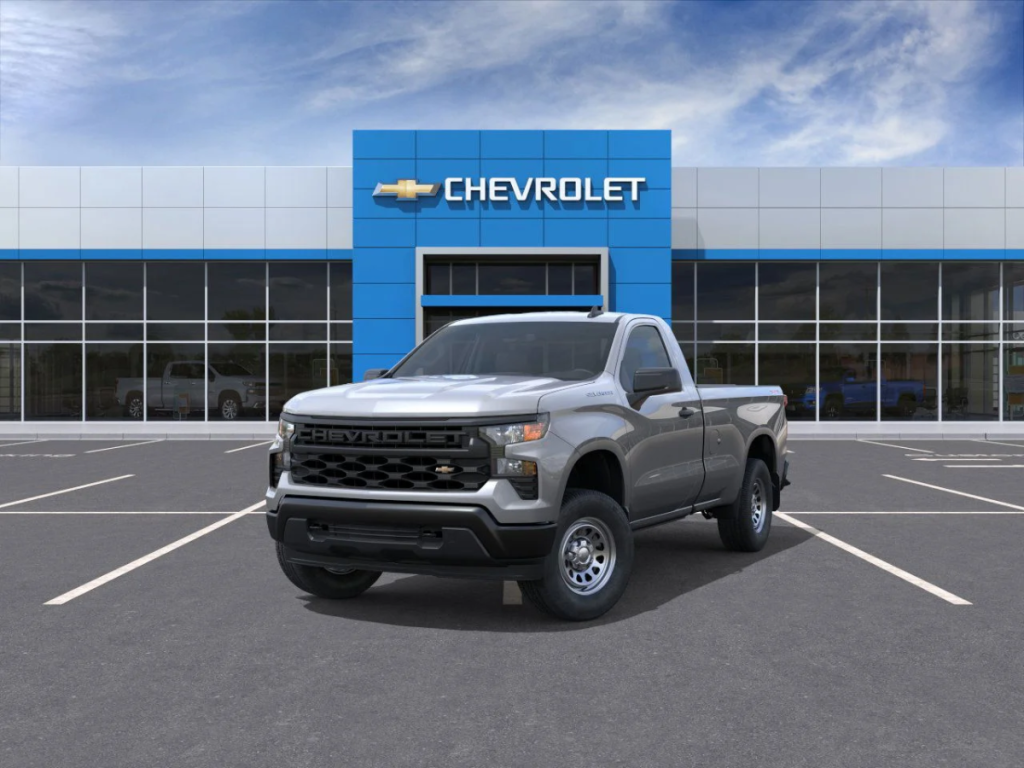
Chevrolet’s truck production runs strongest right here in the U.S. General Motors operates several massive automotive manufacturing facilities dedicated specifically to keeping up with the high demand for the Silverado and Colorado lineups.
Most American-market Chevy trucks are born in the Midwest, a region with a deep-rooted history in steel and hard work. These domestic truck assembly plant locations are responsible for the vast majority of the light-duty and heavy-duty pickups you see on roads across Pennsylvania and beyond. By keeping production close to home, Chevrolet maintains a tighter grip on quality control and gets trucks to local dealerships faster than ever.
Manufacturing Plants That Produce Chevrolet Trucks
To understand the scale of full-size pickup manufacturing, we have to look at the specific cities that keep the gears turning. Chevrolet utilizes several key plants to handle different configurations of their truck lineup:
- Fort Wayne Assembly (Roanoke, Indiana): This is a primary hub for the Silverado 1500. It is often cited as one of the most productive assembly plants in North America, focusing on regular and double cab models.
- Flint Assembly (Flint, Michigan): If you are looking for raw towing power, it likely came from Flint. This plant is the home of heavy-duty truck production, including the massive Silverado 2500 HD.
- Wentzville Assembly (Wentzville, Missouri): This facility is the birthplace of the mid-size Chevrolet Colorado. It handles everything from the work-ready trims to the off-road beast known as the ZR2.
Are Chevrolet Trucks Made Outside the US?
While the soul of the brand is American, Chevrolet is a global powerhouse. To meet the massive global demand for the Silverado, some production occurs at the Silao Assembly plant in Mexico. This facility primarily focuses on crew cab models of the Silverado 1500.
Additionally, for markets outside of North America, GM utilizes international facilities to reduce shipping costs and navigate local trade regulations. However, for the trucks sitting on the lot at Crivelli Chevrolet Buick, the vast majority of the engineering, parts sourcing, and final assembly happen right here in North America. When looking at chevy truck comparisons between domestic and international builds, you’ll find that the core engineering standards remain consistently high across the board.
How US Manufacturing Impacts Truck Quality
The standard of US truck manufacturing plants is world-class. Chevrolet has invested billions into these facilities to integrate advanced robotics and laser-measurement systems. This technology ensures that every frame is straight, every weld is perfect, and every coat of paint is flawless.
Beyond the machines, the human element is irreplaceable. The workers in Flint and Fort Wayne are often multi-generational autoworkers who take immense pride in the “Bowtie” emblem. This combination of high-tech automotive manufacturing facilities and experienced craftsmanship results in a truck that can withstand decades of hard labor.
Why Manufacturing Location Matters to Truck Buyers
For many of our customers, the question of where Chevrolet trucks are made is about more than just a label; it’s about economic impact and reliability.
- Supporting Local Jobs: Buying a US-built truck supports thousands of jobs, from the assembly line workers to the local parts suppliers.
- Supply Chain Efficiency: Domestically produced trucks generally face fewer shipping delays, meaning you can get the exact Trail Boss or High Country trim you want without waiting for an ocean freighter.
- Resale Value: American-made trucks have a long-standing reputation for longevity, which helps maintain higher resale values in the pre-owned market.
History of Chevrolet Truck Manufacturing in America
Chevrolet’s journey began in 1918 with the Model 490, the brand’s first foray into the truck world. Back then, “manufacturing” involved a lot more manual labor and a lot less automation. Throughout the 20th century, Chevy expanded its footprint, opening iconic plants that helped build the middle class in the United States.
From the “Task Force” series of the 1950s to the introduction of the C/K series, Chevrolet has consistently moved the goalposts for what a truck can do. This history of innovation is what paved the way for modern features like Super Cruise hands-free driving technology, which was perfected in the very same Michigan engineering hubs where those early trucks were designed.
Most Popular Chevrolet Trucks Built in the US
When you browse the best Chevrolet trucks at our dealership, you are looking at the pinnacle of American engineering. Here are the stars of the domestic lineup:
- Silverado 1500: The flagship of the fleet, built largely in Indiana. It’s available in multiple configurations, including the spacious Double Cab.
- Silverado 2500HD: The king of the job site, proudly assembled in Flint, Michigan.
- Colorado: The mid-size champion that dominates the trails, especially in the high-performance ZR2 trim.
- Trail Boss: Whether on a 1500 or a Colorado, this trim level is a fan favorite for those who live life off-road.
- Super Cruise: This industry-leading technology is integrated into the Silverado lineup, allowing for hands-free towing and driving on compatible highways.
Future of Chevrolet Truck Manufacturing
The landscape of American pickup truck production is shifting toward a greener future. Chevrolet is currently transforming several of its historic plants into “EV hubs.” For example, the Factory ZERO plant in Michigan is a centerpiece of this transition, focusing on the Silverado EV.
We are seeing a massive surge in automation and sustainable energy use within these automotive manufacturing facilities. Future Chevy trucks will not only be more powerful and tech-savvy but will be built with a smaller carbon footprint, ensuring that the legacy of the American truck lives on for the next century.
Frequently Asked Questions
1. Are Chevrolet trucks made only in the United States?
No. While most are built in the US (Indiana, Michigan, and Missouri), some Silverado models are also produced in Silao, Mexico, and Oshawa, Canada, to meet high demand.
2. Which states produce the most Chevrolet trucks?
Michigan and Indiana are the top producers of Chevrolet trucks, specifically the Silverado 1500 and the Heavy Duty models.
3. Are heavy-duty Chevrolet trucks made in America?
Yes, the Silverado 2500HD and 3500HD are primarily built at the Flint Assembly plant in Flint, Michigan.
4. How can I find where my Chevrolet truck was built?
Check the Vehicle Identification Number (VIN) on your dashboard. If it starts with a 1, 4, or 5, it was built in the US. A 2 indicates Canada, and a 3 indicates Mexico.
5. Do manufacturing locations affect truck quality?
Chevrolet maintains identical, rigorous quality standards across all its global facilities, so a truck built in Indiana meets the same “Chevy Tough” requirements as one built elsewhere.
Conclusion
At Crivelli Chevrolet Buick, we are proud to offer a massive selection of the best Chevrolet trucks on the market. Whether you need the raw towing capacity of a Silverado 2500 HD or the nimble off-road capability of a Colorado, our team is here to help you find the perfect match.
The legacy of American craftsmanship is alive and well in every vehicle on our lot. We invite you to come experience the quality, power, and innovation of a Chevy for yourself. Stop by our showroom or browse our inventory online today to see exactly where our Chevrolet trucks are made and why they remain the favorite of drivers across the nation.
The 2026 Chevrolet Silverado EV revolutionize the both the EV and the truck markets with its relentless power, cutting-edge technology, and versatile design. Built upon the Silverado’s title of America’s Most Dependable Full-Size Pickup from J.D. Power, the Silverado EV electrifies an icon, perfect for the streets, jobsites, and off-road adventures of drivers in Mt Pleasant, PA.
Read the rest of this entry »Why Chevrolet Routine Maintenance Matters
Keeping your Chevrolet vehicle in top condition requires regular attention to its maintenance needs. Chevrolet routine maintenance ensures that your car, truck, or SUV performs efficiently and safely while extending its lifespan. For drivers in Mt. Pleasant, PA , routine upkeep is especially important given the region’s unique driving conditions, from humid summers to occasional heavy rains.
Read the rest of this entry »Hello world!
Welcome to WordPress. This is your first post. Edit or delete it, then start writing!
Connect with us

